In today’s dynamic corporate landscape, the pursuit of efficiency, scalability, and cost optimization has led organizations to embrace two transformative approaches: business process outsourcing and automation. These strategies are not merely tools for operational improvement; they are catalysts for business development and expansion. Let us dive in and explore how outsourcing and business automation services each contribute to robust financial management, and why their combined potential is a game-changer for growth-focused enterprises.
The Strategic Role of Outsourcing
Outsourcing offers a human-centric, expertise-driven solution to managing complex financial tasks. Unlike automation, which excels in handling repetitive functions, finance outsourcing services brings strategic value to nuanced decision-making and long-term planning.
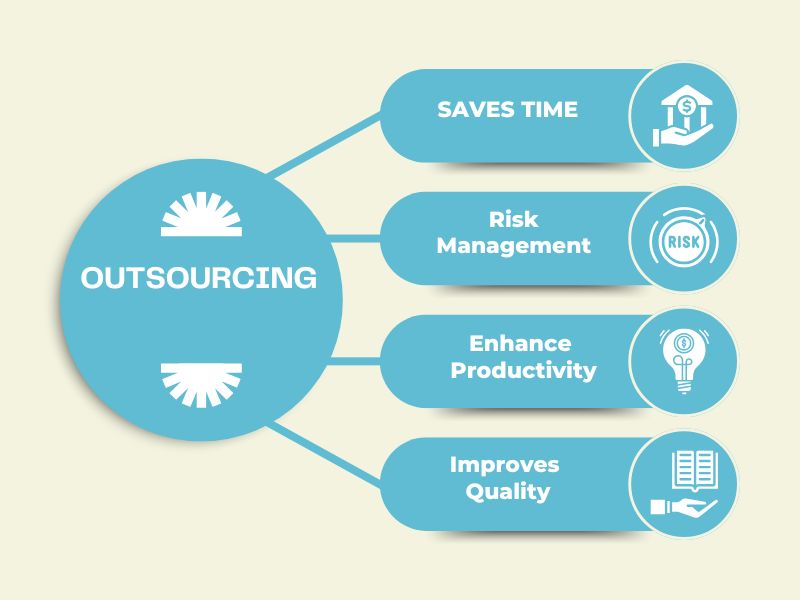
Key Benefits of Outsourcing
Access to Expertise and Industry Insights
Specialized Knowledge: Finance and acccoutning outsourcing connects businesses with financial professionals who bring deep expertise in areas like compliance, tax regulations, and risk management.
Strategic Guidance: Outsourced teams deliver actionable insights, helping companies optimize decision-making and navigate financial complexities effectively.
Flexibility and Scalability
Adaptable Resources: Outsourcing allows businesses to scale financial services based on seasonal demands or specific project needs.
Peak Performance Support: Whether during audits or tax seasons, outsourcing offers on-demand assistance tailored to critical business moments.
Cost Efficiency
Savings on Training and Staffing: Companies reduce overhead costs by leveraging external expertise without investing in in-house teams.
Tailored Solutions: Outsourced services are customized to align with a company’s unique financial goals, ensuring maximum value.
Comprehensive Financial Management
Broad Scope of Services: From budgeting and forecasting to compliance and audits, outsourcing covers the full spectrum of financial tasks.
Reliability: Human oversight ensures meticulous attention to detail, minimizing errors in intricate processes.
Enhanced Strategic Focus
Resource Optimization: With operational tasks handled externally, internal teams can prioritize innovation and strategic initiatives.
Smarter Decisions: Outsourced experts consider market trends and organizational goals, driving informed financial planning.
The Efficiency of Automation
Business automation services shines in its ability to handle repetitive, time-consuming tasks with precision and speed. Its role in business development lies in freeing resources and enabling seamless operations.
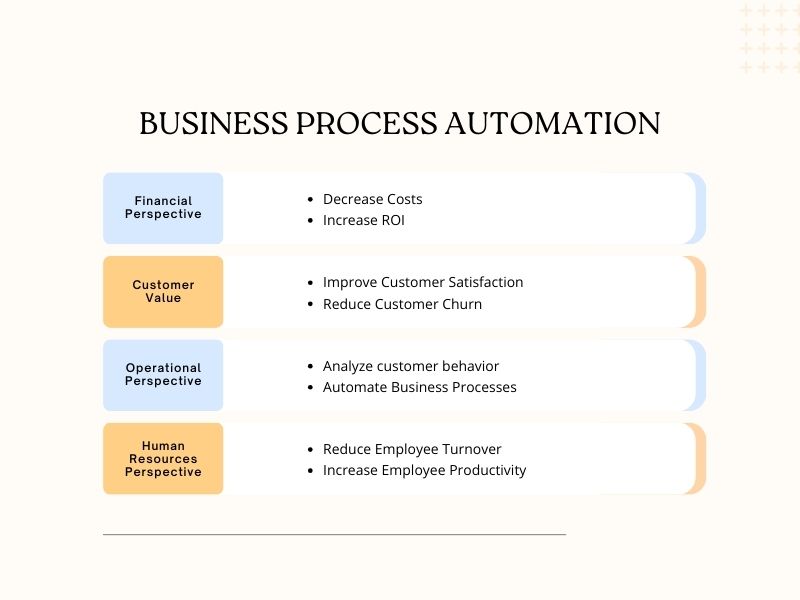
Core Advantages of Automation
Streamlined Processes: Automation tools excel in payroll processing, invoice generation, and data entry, ensuring consistency and speed.
Reduced Operational Costs: By automating repetitive tasks, businesses save on labor costs and reduce the risk of human errors.
Real-Time Data Access: Automation provides instant access to updated financial data, enabling quicker decision-making.
Scalable Infrastructure: Automated systems can be adjusted to match a company’s growth trajectory without the need for extensive reconfigurations.
Outsourcing and Automation: A Synergistic Approach
While finance and accounting outsourcing and automation are powerful individually, their true potential lies in synergy. Automation handles routine processes efficiently, while outsourcing ensures strategic oversight and decision-making. Together, they empower businesses to optimize resources, reduce costs, and scale effectively.
Building a Future-Ready Finance Function with Outsourcing and Automation
As businesses grow, financial operations become increasingly complex. Managing larger transaction volumes, evolving compliance requirements, and expanding business functions requires more than just additional resources—it demands smarter processes. This is where outsourcing and automation work together to build a finance function that is agile, scalable, and prepared for future growth.
Rather than viewing these strategies as separate initiatives, forward-thinking organizations are integrating them to create streamlined financial ecosystems. Automation accelerates repetitive, rule-based processes such as invoice processing, reconciliations, expense management, and payroll, while outsourcing brings experienced professionals who provide oversight, strategic guidance, and regulatory expertise. This balanced approach helps businesses improve efficiency without sacrificing accuracy or control.
Modern business process outsourcing has evolved far beyond simply transferring administrative work to an external provider. Today, outsourcing partners act as strategic collaborators who understand industry best practices, optimize workflows, and continuously improve financial operations. They work alongside internal teams to identify inefficiencies, implement standardized processes, and ensure that financial reporting remains accurate and compliant as the business scales.
At the same time, business automation services enhance the effectiveness of outsourced teams by eliminating manual bottlenecks. Automated workflows reduce repetitive data entry, minimize processing delays, and improve data consistency across financial systems. Instead of spending valuable time on routine administrative activities, finance professionals can focus on budgeting, forecasting, cash flow optimization, and strategic financial planning. This combination allows organizations to respond more quickly to changing market conditions while maintaining operational excellence.
For organizations managing multiple business units or expanding into new markets, this integrated model becomes even more valuable. Regulatory requirements, tax structures, and reporting standards often vary across regions, making financial management increasingly challenging. By combining finance outsourcing services with intelligent automation, businesses can standardize financial processes while remaining compliant with local regulations. Automated systems ensure consistency in data capture and reporting, while outsourcing specialists provide the expertise needed to interpret regulations and manage complex financial scenarios.
Another significant advantage is improved business resilience. Market fluctuations, seasonal demand, mergers, acquisitions, or rapid expansion can place considerable pressure on internal finance teams. A combination of finance and accounting outsourcing and automation provides the flexibility to scale resources without the delays and costs associated with hiring additional in-house staff. Businesses can quickly adapt to changing operational requirements while maintaining service quality and financial accuracy.
Beyond operational efficiency, this approach also supports better decision-making. Automated systems provide real-time financial visibility through dashboards and performance reports, while outsourced finance experts transform that information into actionable business insights. Leadership teams gain a clearer understanding of profitability, cash flow, operational costs, and financial risks, enabling them to make faster and more informed strategic decisions.
Ultimately, sustainable growth requires financial operations that are both efficient and intelligent. Organizations that embrace outsourcing and automation as complementary capabilities are better positioned to improve productivity, reduce operational costs, strengthen compliance, and support long-term expansion. By leveraging modern business process outsourcing, advanced business automation services, and specialized finance outsourcing services, companies can create a resilient finance function that not only supports daily operations but also drives continuous business growth. This integrated approach is rapidly becoming the foundation of successful finance and accounting outsourcing strategies for organizations looking to stay competitive in an increasingly digital business environment.
Conclusion: Unlocking Growth Potential
Outsourcing and automation are not competing solutions but complementary strategies that drive business development and expansion. Outsourcing delivers expertise, strategic insight, and flexibility, while automation ensures efficiency and consistency in routine operations. Together, they form the backbone of a robust financial management framework, empowering businesses to achieve long-term growth.
For companies aiming to enhance their financial operations, adopting a balanced approach to outsourcing and automation is the ultimate key to sustainable success.